
Canterbury, known for its deep-rooted ecclesiastical significance, was a hub of religious devotion and economic activity in Victorian England. The Canterbury Cathedral, a UNESCO World Heritage site, remained the heart of the city, drawing pilgrims and tourists alike. Nearby, St. Martin’s Church, the oldest church in England still in use, stood as a symbol of Canterbury’s enduring spiritual past.
The West Gate, a medieval gatehouse, served as a gateway to the city’s bustling streets, where merchants, traders, and townspeople engaged in daily business. The marketplace was particularly lively, with vendors selling fresh produce, textiles, and household goods. This commercial vibrancy was complemented by the city’s developing infrastructure, as new railways and roads connected Canterbury to London and beyond.
To the north, Carlisle embodied a different aspect of Victorian urban life. Known for its strategic military position, the city retained its fortress-like atmosphere with landmarks such as the Citadel, which once housed local government offices, and Carlisle Castle, an imposing structure that had withstood centuries of conflict.
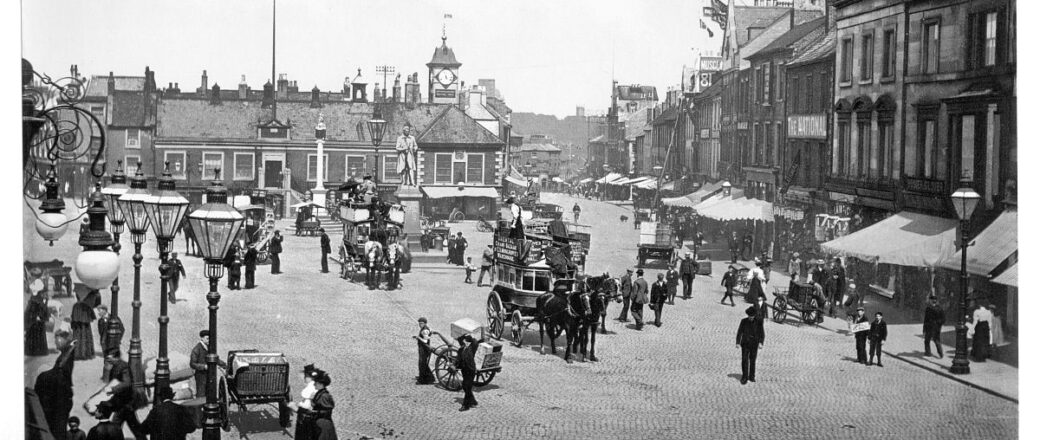
Despite its military past, Carlisle was also a thriving industrial center. The city’s marketplace was an essential gathering spot, where farmers, artisans, and traders conducted business beneath the shadow of Carlisle Cathedral. The cathedral itself, with its striking red sandstone architecture, stood as a beacon of faith and tradition amidst the rapid industrialization of the 19th century.
Though distinct in character, Canterbury and Carlisle were connected by shared urban elements that defined Victorian life. Their cathedrals stood as monuments of faith, anchoring each city in tradition while serving as social and religious centers. Their fortifications-whether the ancient West Gate of Canterbury or the mighty Citadel of Carlisle-symbolized resilience and history. Meanwhile, their marketplaces were the beating hearts of daily life, where townspeople from all walks of life gathered to trade, converse, and experience the evolving urban landscape.
The Victorian era saw both cities adapting to modernization while preserving their historical essence. Through images of their most iconic sites-St. Martin’s Church, West Gate, the Citadel, Castle, Cathedral, and Market Place-we glimpse a world where medieval heritage met the industrial age, shaping the lives of Canterbury and Carlisle’s inhabitants in profound ways.
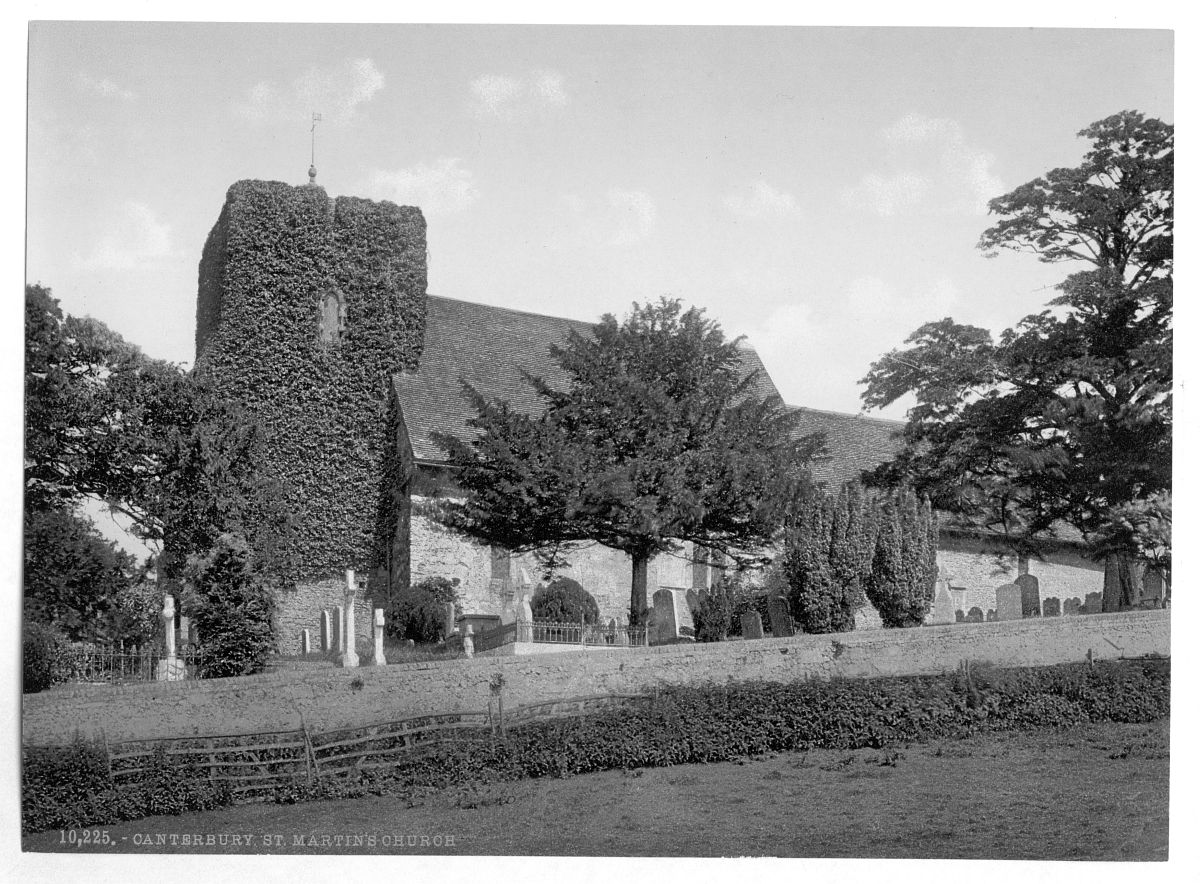
St. Martin’s Church, Canterbury, England (1890s)
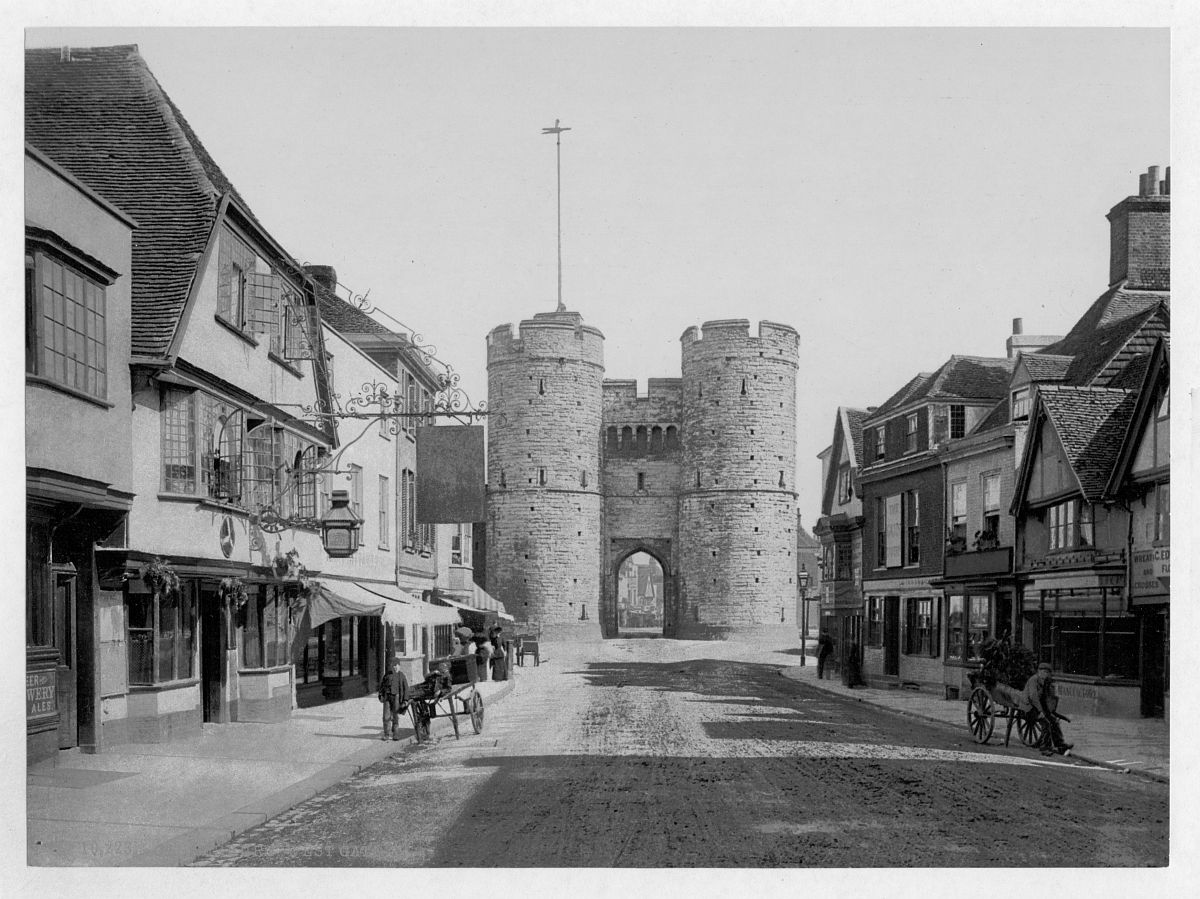
West Gate, Canterbury, England(1890s)
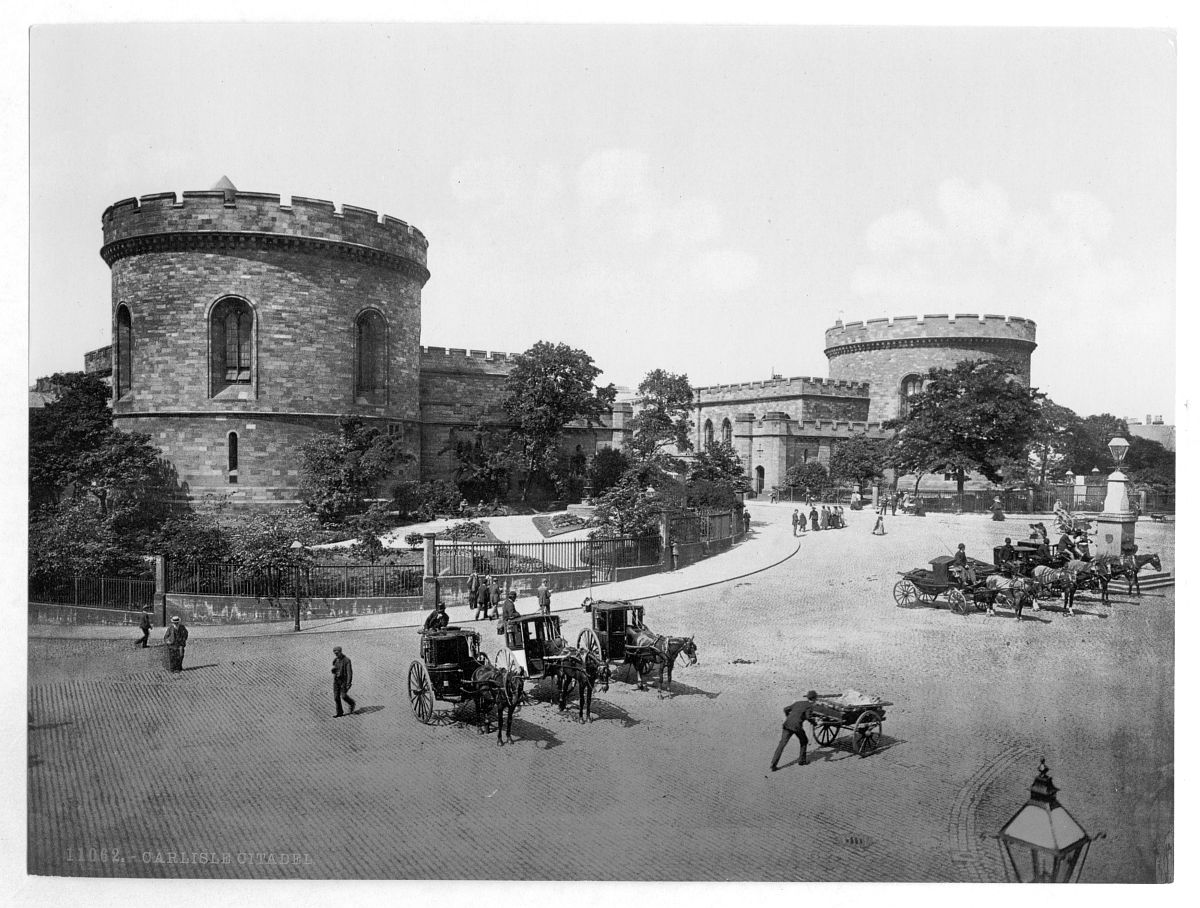
Citadel, Carlisle, England (1890s)
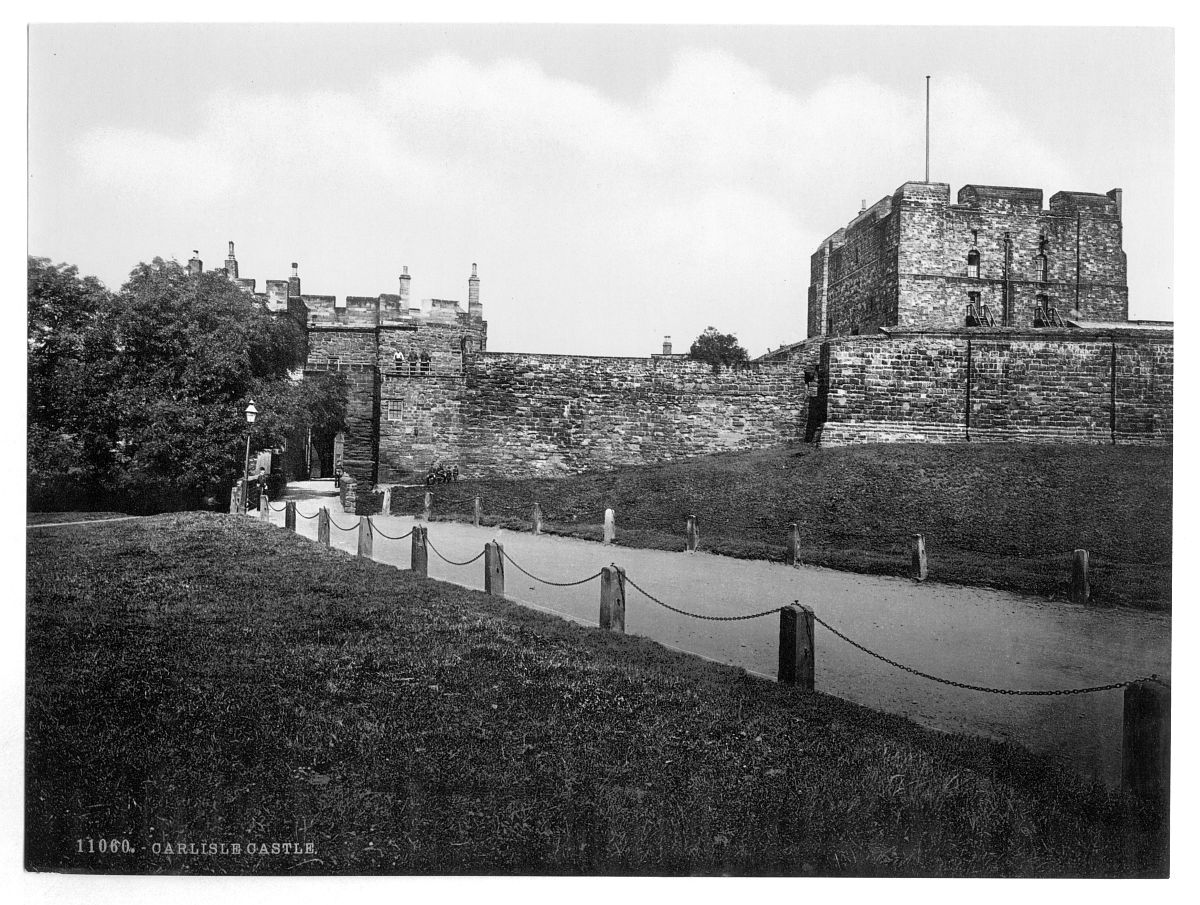
Castle, Carlisle, England (1890s)
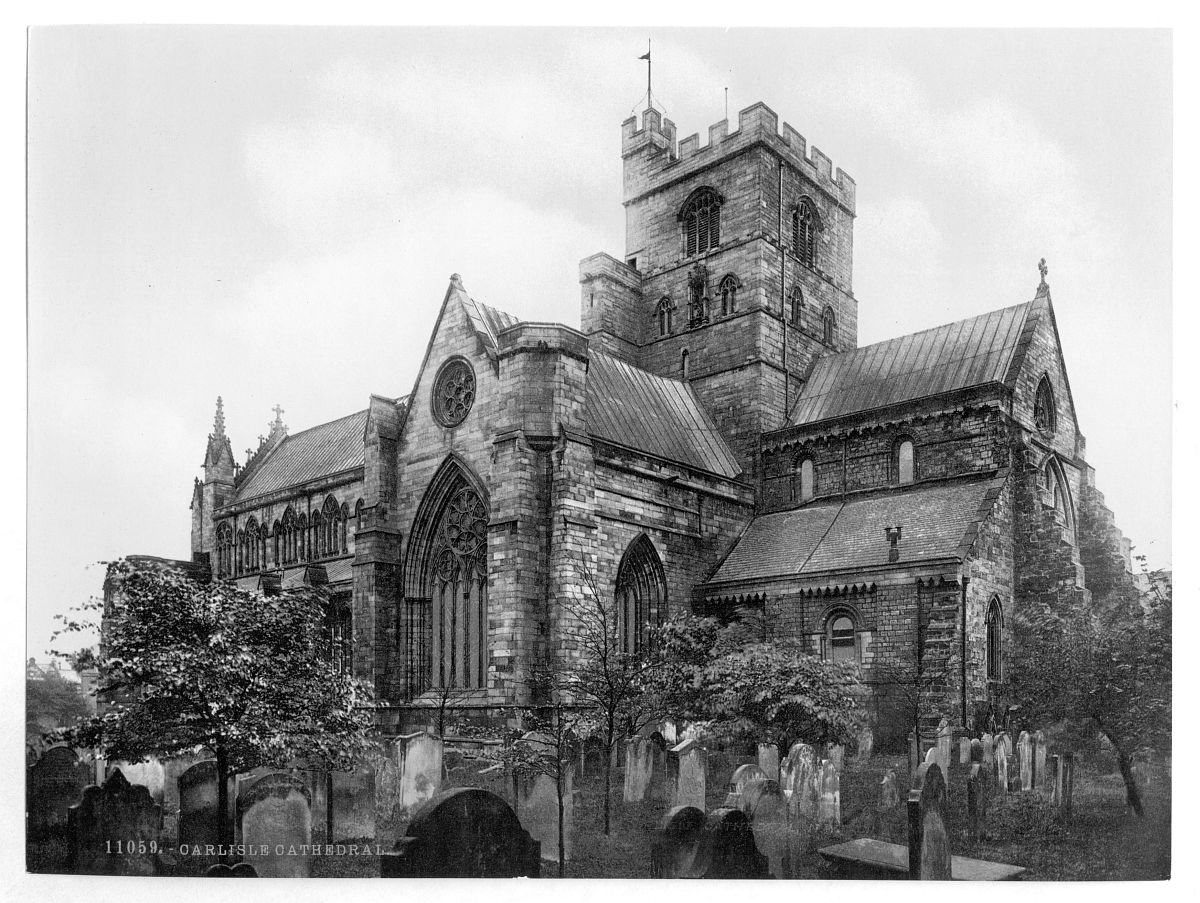
Cathedral, Carlisle, England (1890s)
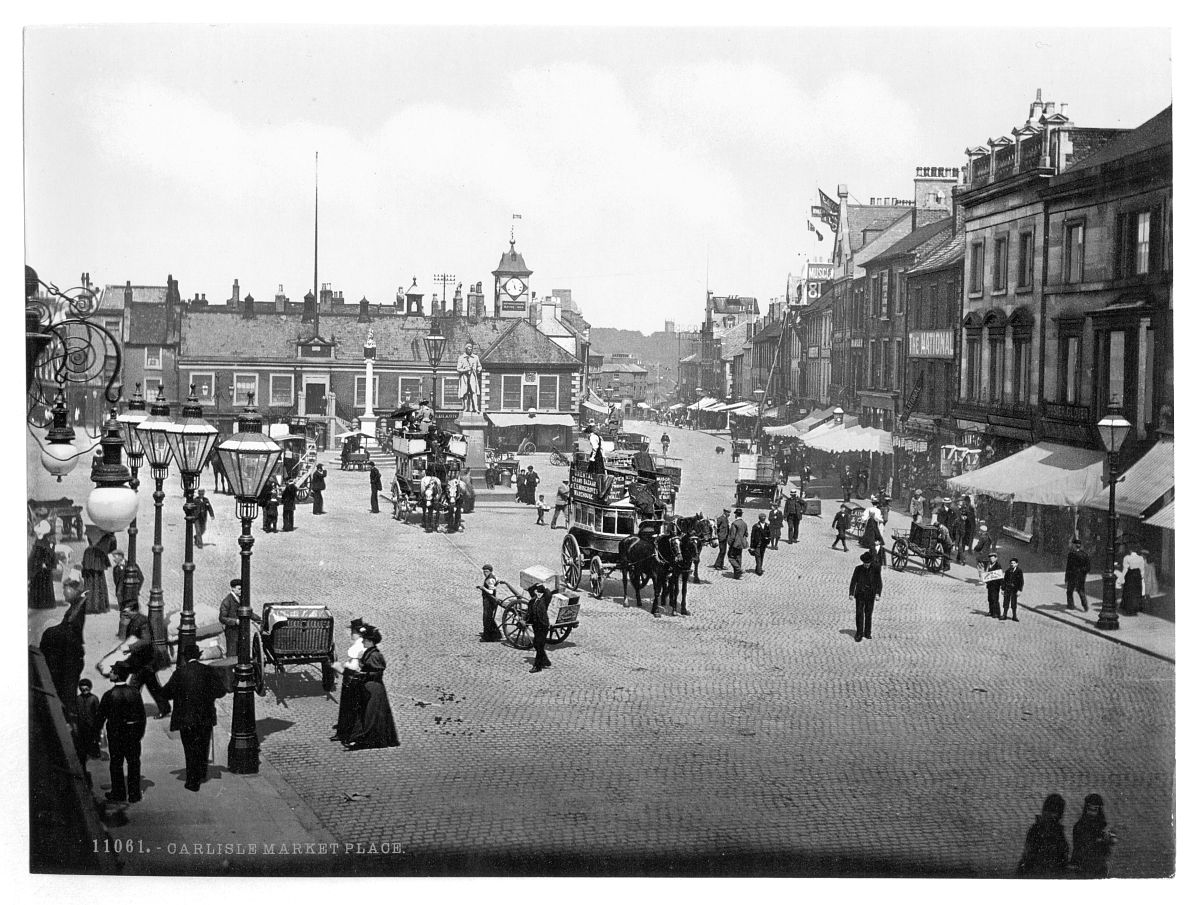
Market place, Carlisle, England (1890s)