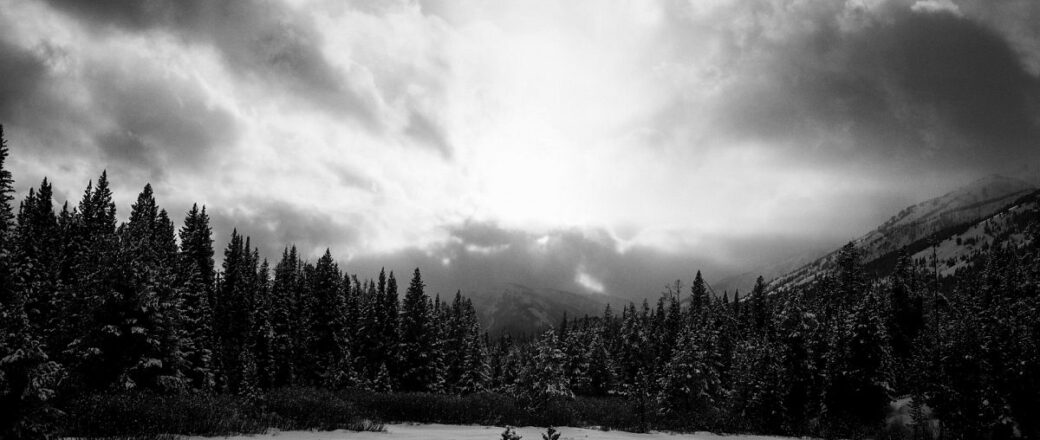

Philip Shaheen is an analog black-and-white landscape photographer based in Washington, DC. He works exclusively on medium and large format film – no digital capture, no post-processing — producing everything from negative to print by hand using techniques that predate the digital era.
In the field, Shaheen controls tonality through Zone System metering, contrast filters,and ND filter stacking for long exposures, calculating reciprocity corrections on-site for each frame. His film is hand-printed as silver gelatin in a 50-square-foot darkroom he built himself inside an art collective in Falls Church, Virginia – producing prints up to and beyond 20×24 inches xclusively for galleries and large exhibitions.
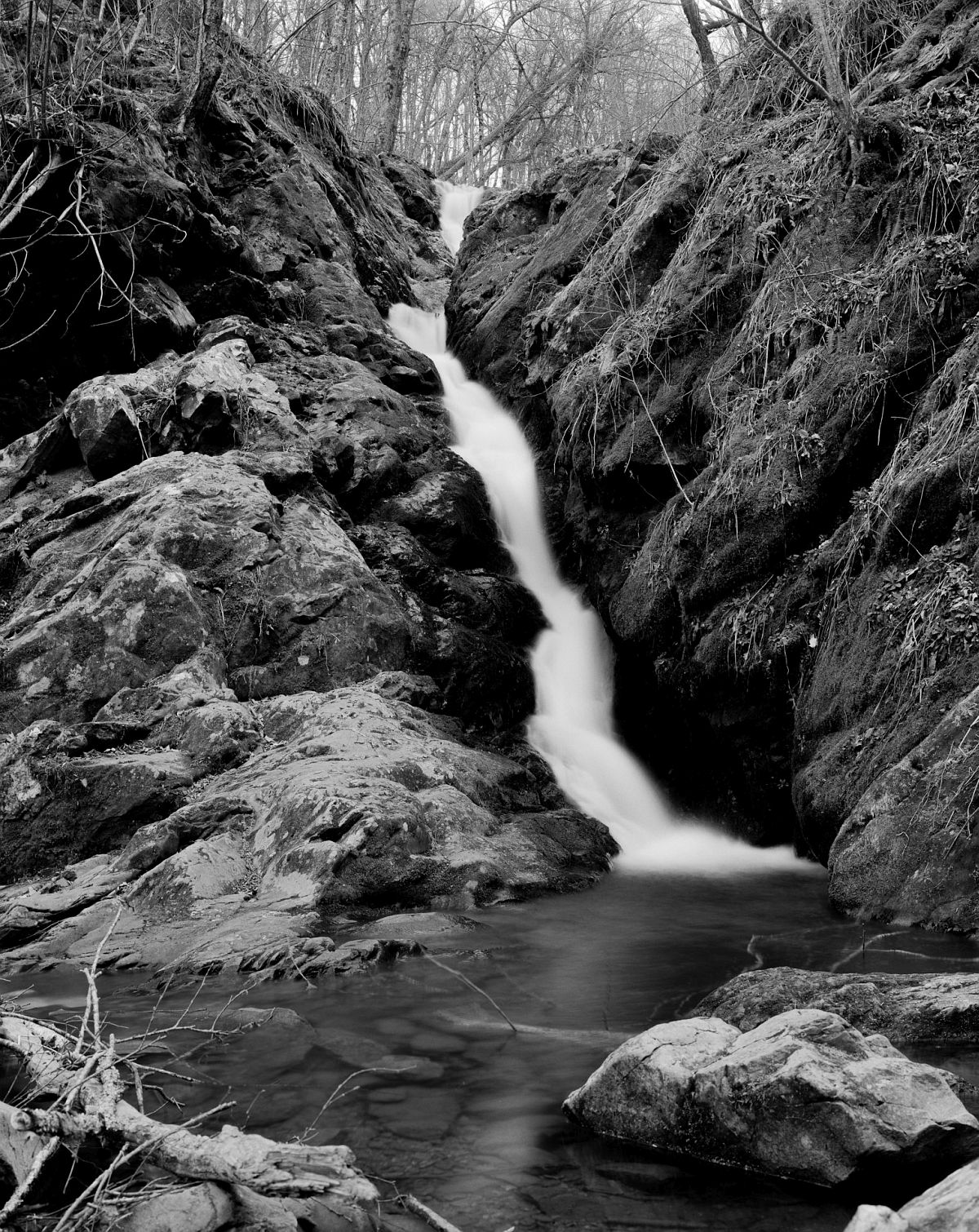
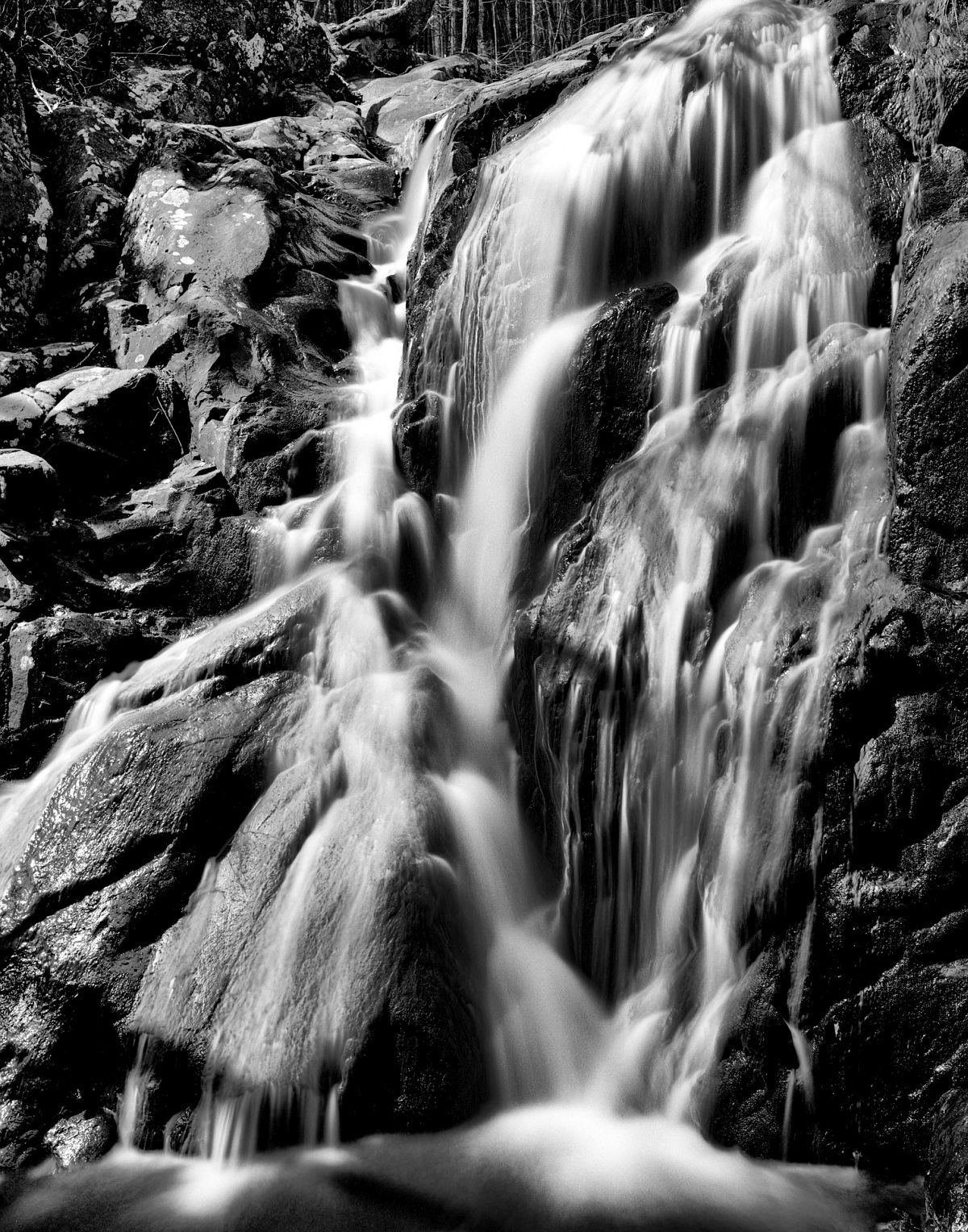
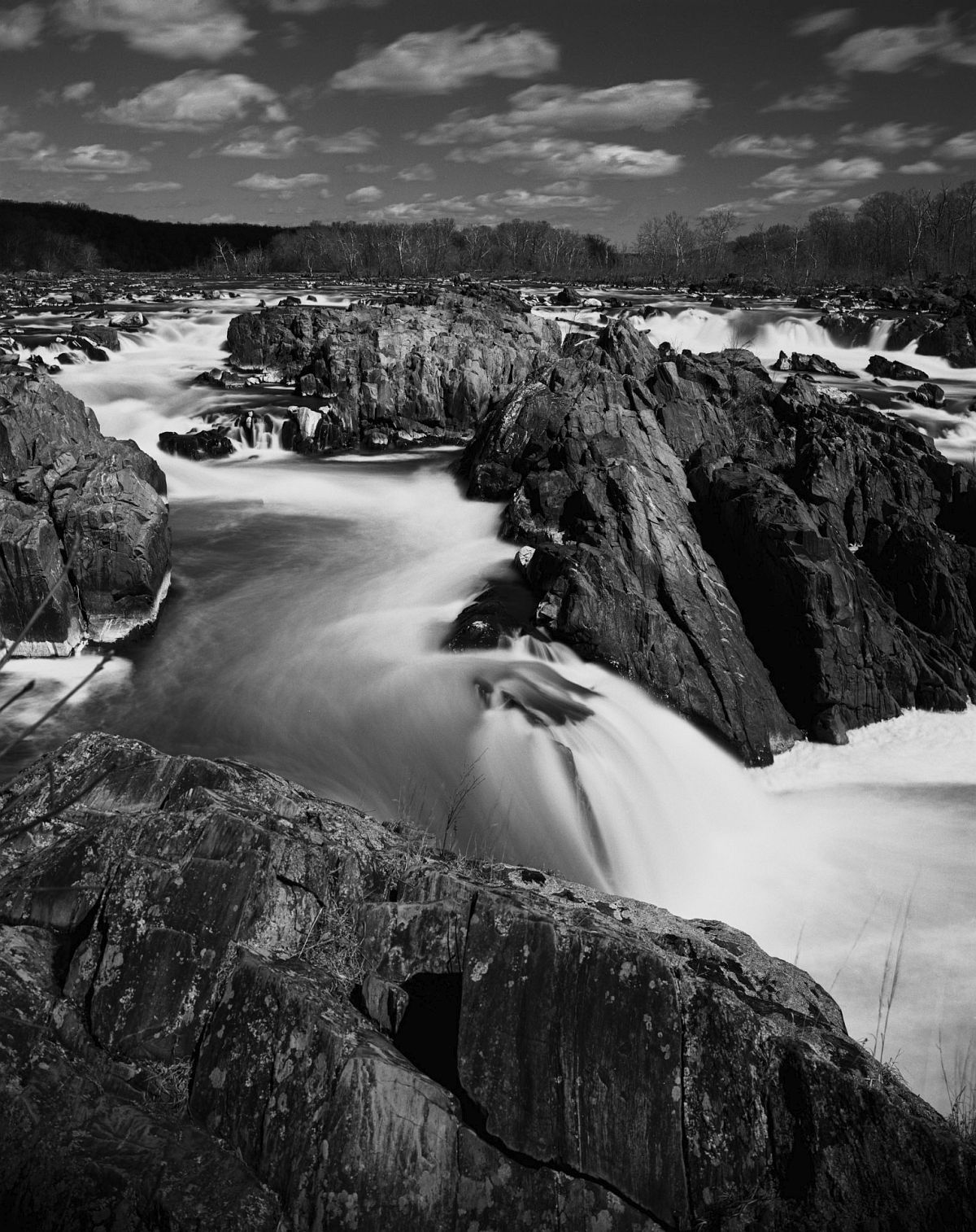
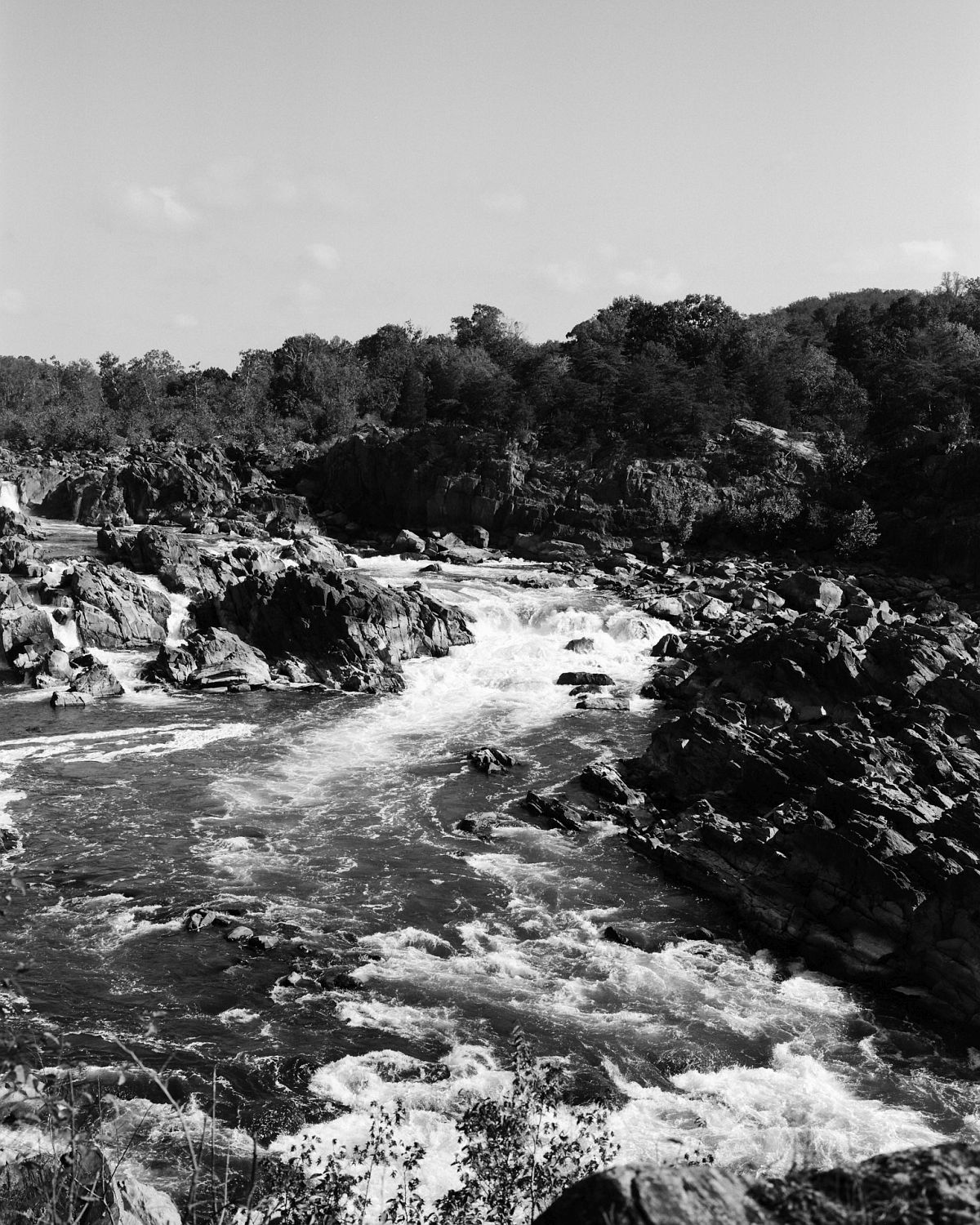
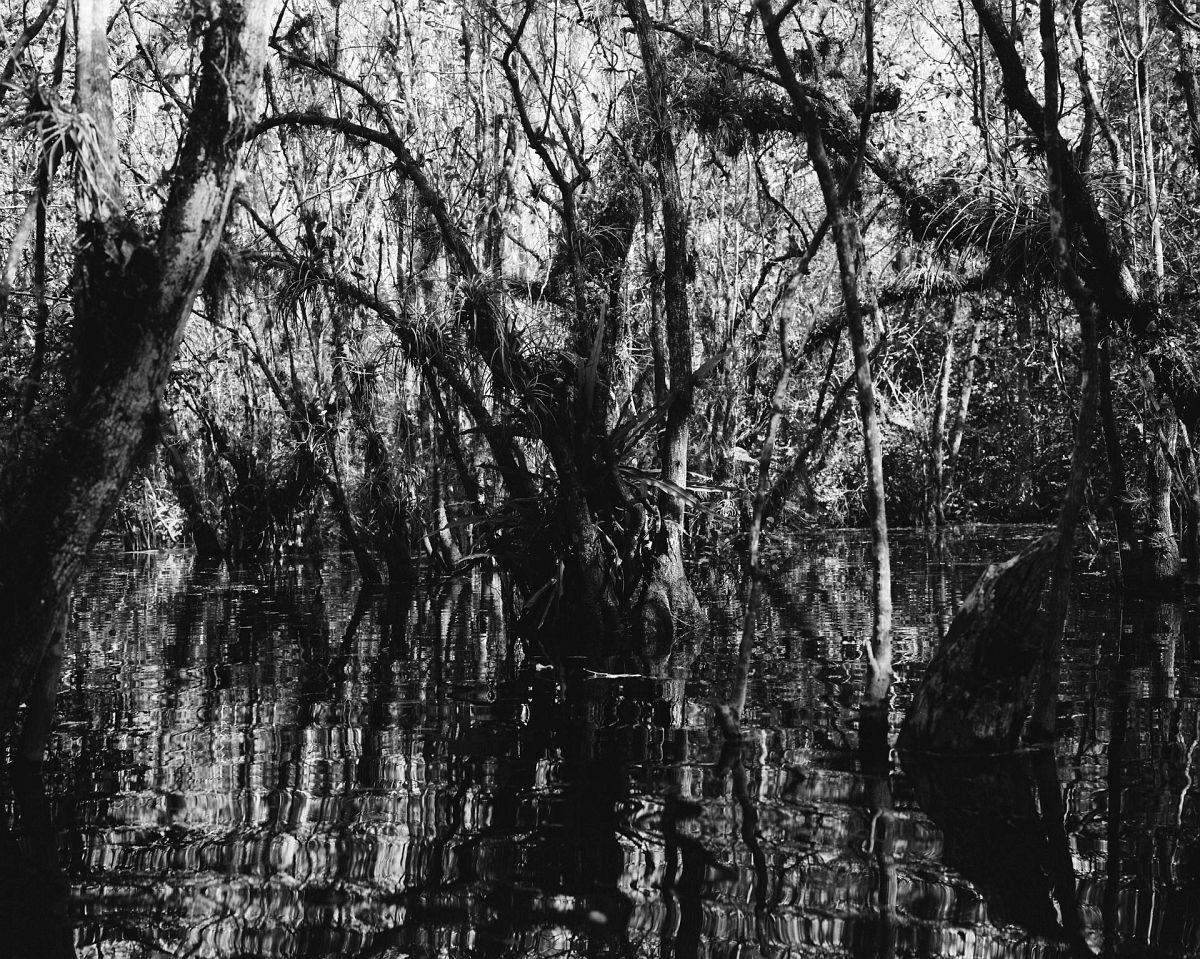
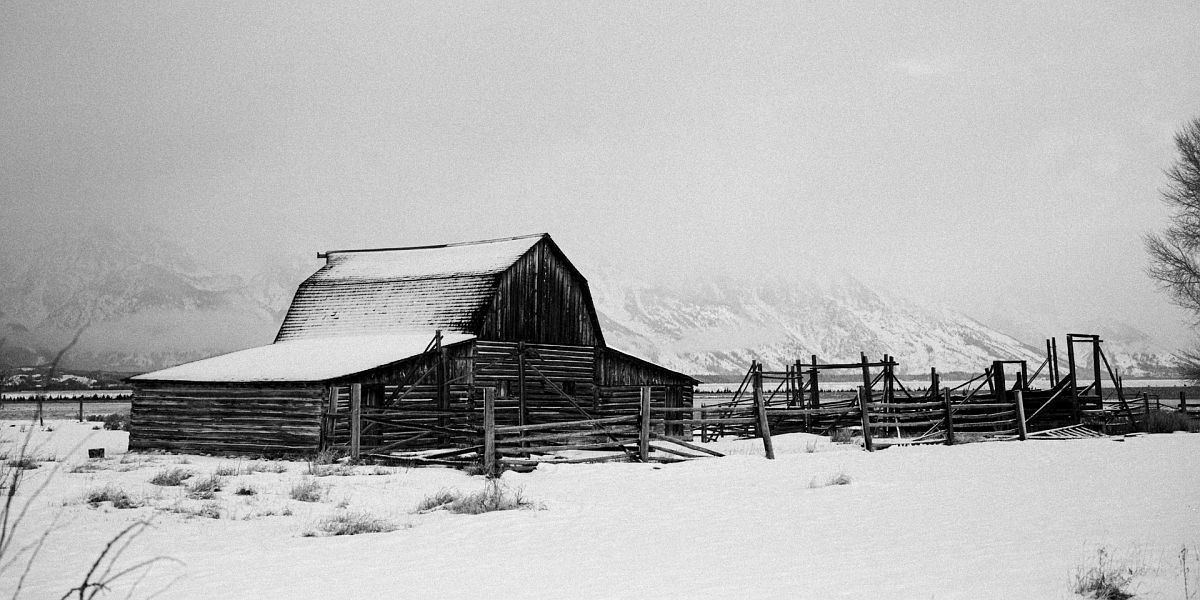
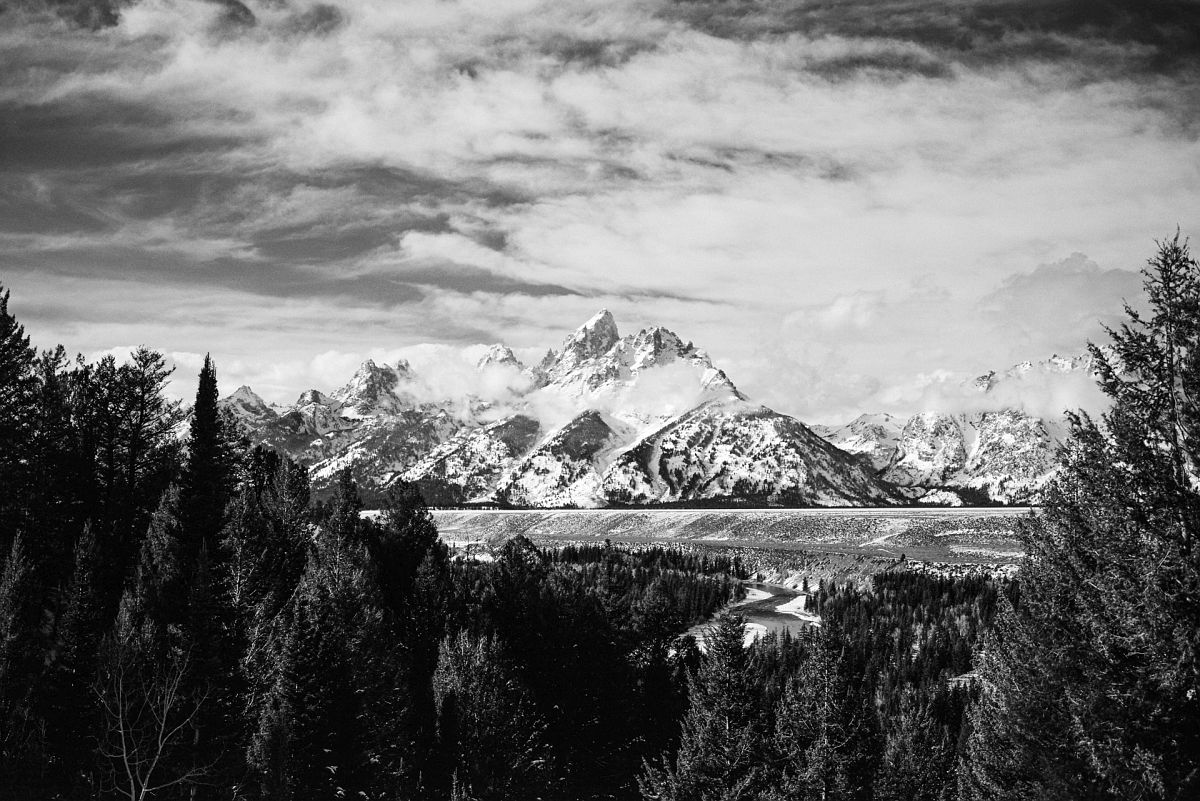
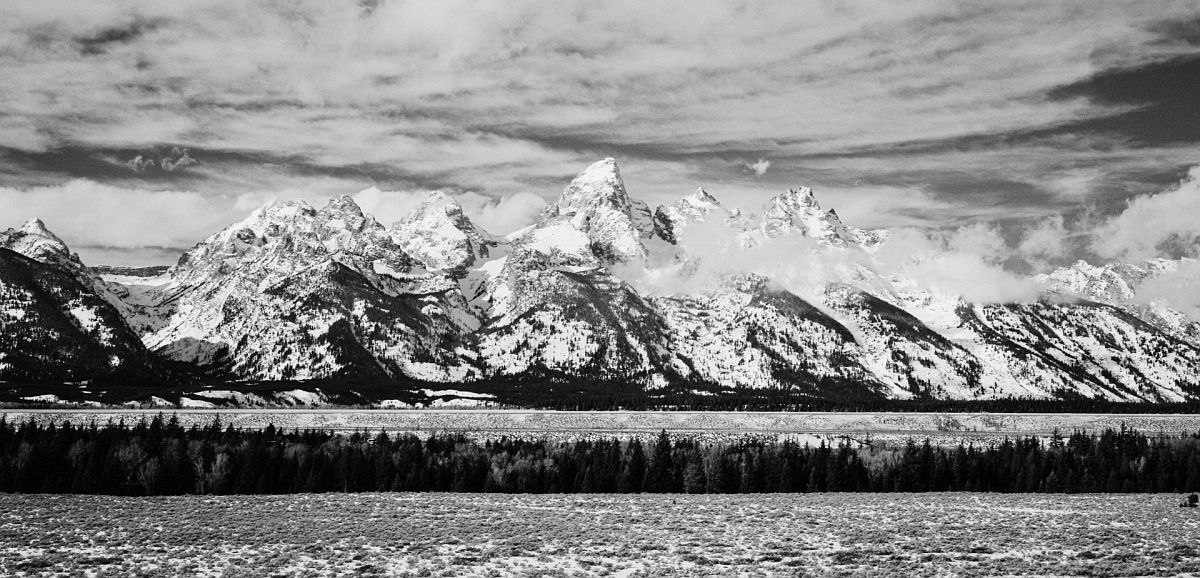
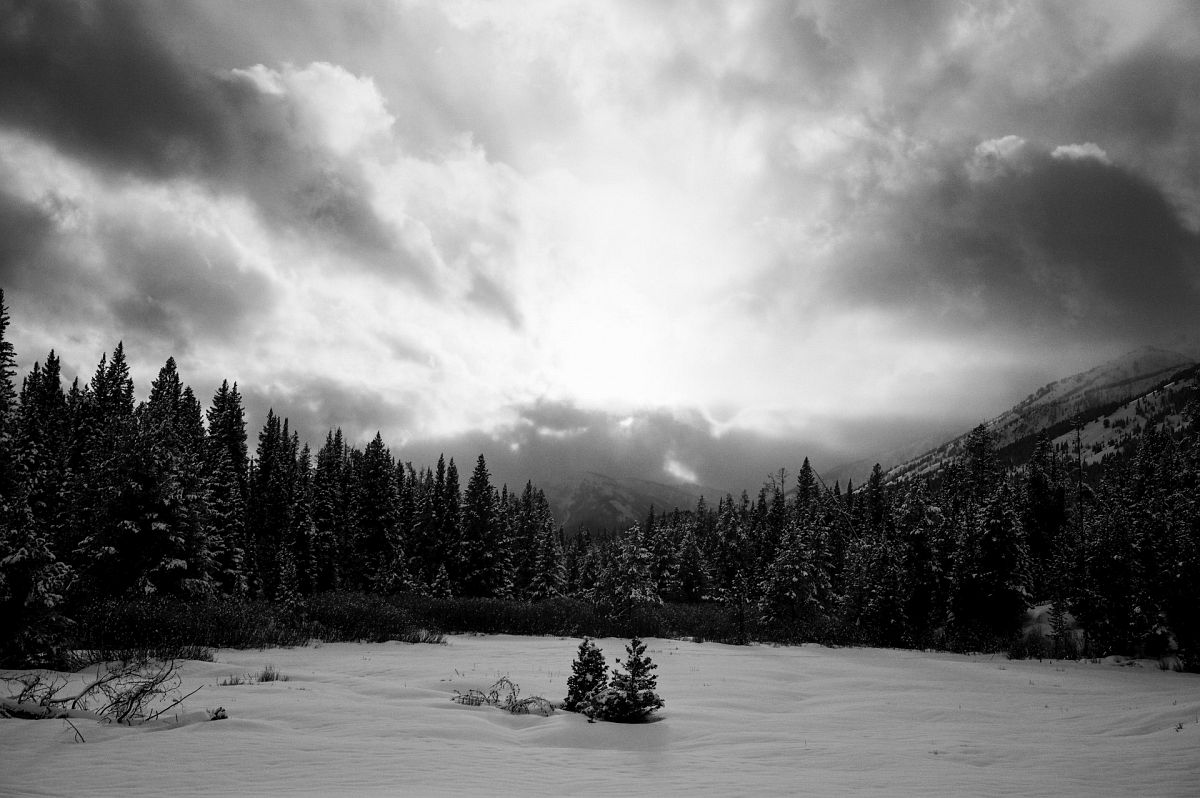
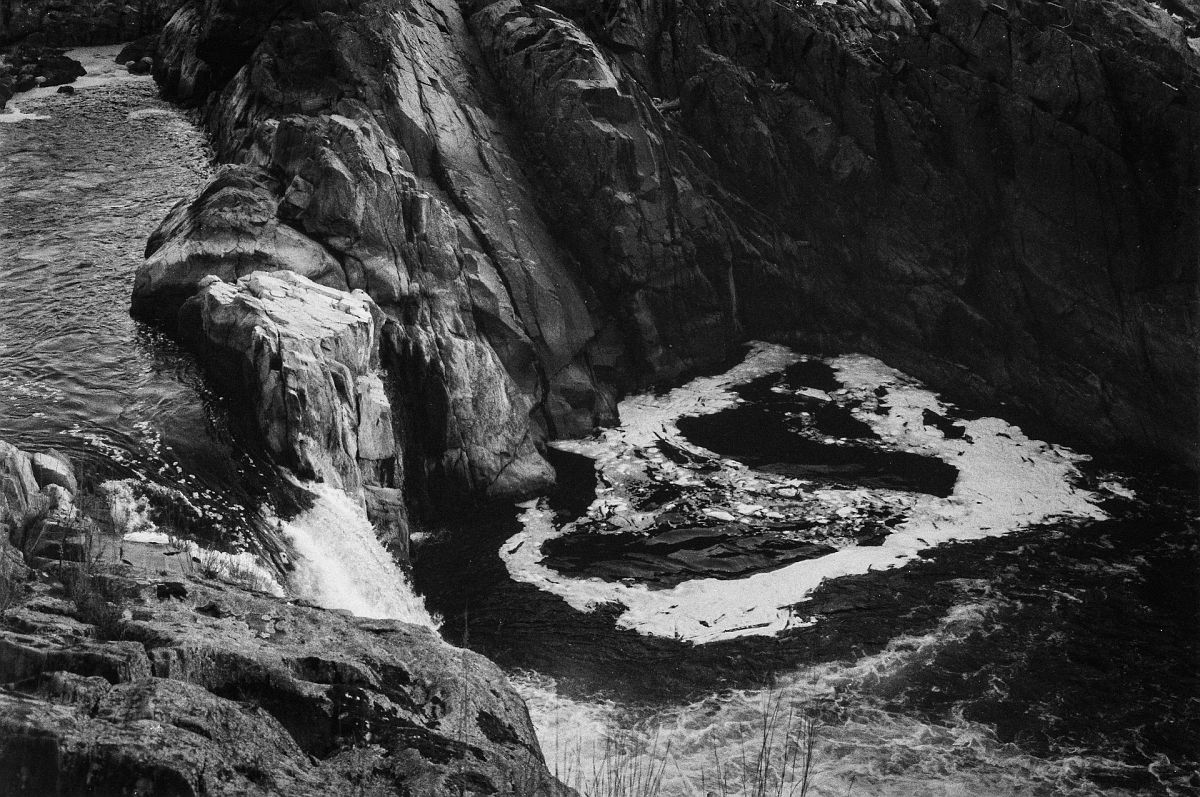
His work spans the American landscape – from the snow-capped peaks of Grand Teton in winter to the red rock formations of Utah, the high-altitude ridgelines of the Colorado Rockies, the cypress swamps and mangroves of the Florida Everglades, the waterfalls of Shenandoah National Park, and the whitewater of Great Falls on the Potomac. Great Falls – one of the most powerful rapids on the East Coast, twenty minutes from downtown DC – is the location that first drew him to landscape photography. He has been shooting it monthly for over a year, and the format keeps getting bigger – from 35mm to medium format to 4×5 large format.
Shaheen’s prints are sold through Washington Printmakers Gallery in Georgetown, DC. He holds an MS in Applied Mathematics from Johns Hopkins University and operates under the brand Philm+Frame (philmframe.com), where he maintains an educational blog about analog photography. In summer 2026 he will be taking the 4×5 to Ireland and Scotland for waterfalls and highland landscapes.
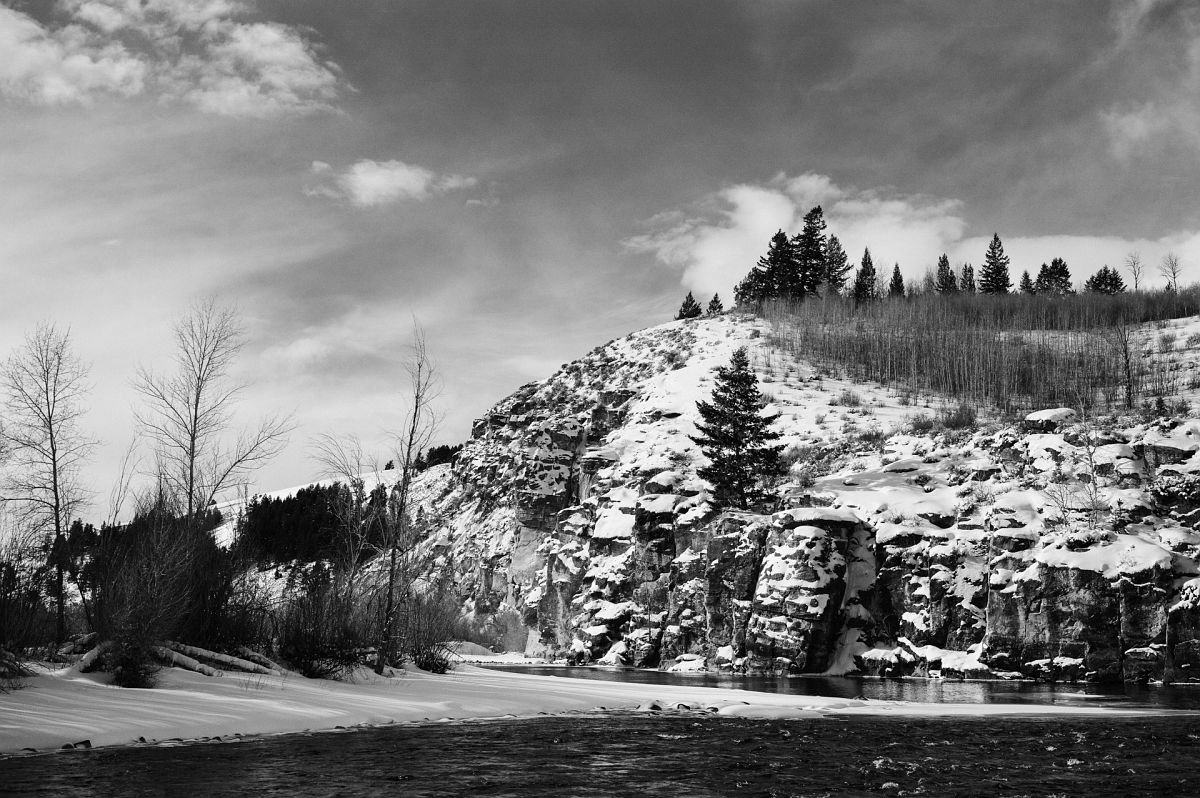
© Philip Shaheen
– How and when did you become interested in photography?
My tattoo artist gave me a broken film camera one day — figured I could fix it since I have an engineering degree. So I took it apart, fixed the shutter, and needed film to test it. The only thing the store had was black and white. That weekend I was going to Great Falls, Virginia for the first time, so I brought it along. When I got the negatives back I just stared at them — the whitewater, the rock, the gorge, all of it stripped down to tone and light. I never returned the camera, I never stopped going to Great Falls, and six months later I had my first darkroom print hanging in a gallery.
– Are there any artists or photographers who have inspired your work?
Weeks after committing to black and white, I was visiting family in Florida and stumbled into a photography gallery — Clyde Butcher’s. I didn’t know who he was. I just walked in and the prints stopped me. Massive silver gelatin landscapes, incredible detail, deep blacks, this overwhelming sense of drama. I did a tour of his land, walked through the same swamps where he started his career, and took pictures standing where he stood. I’ve since read every book of his I could find. Once I got deeper into the technical side, I studied Ansel Adams like a college course — his Zone System, his exposure math, writings from decades ago that are still the gold standard for black and white photography today.
– What draws you to black and white photography as a medium of expression?
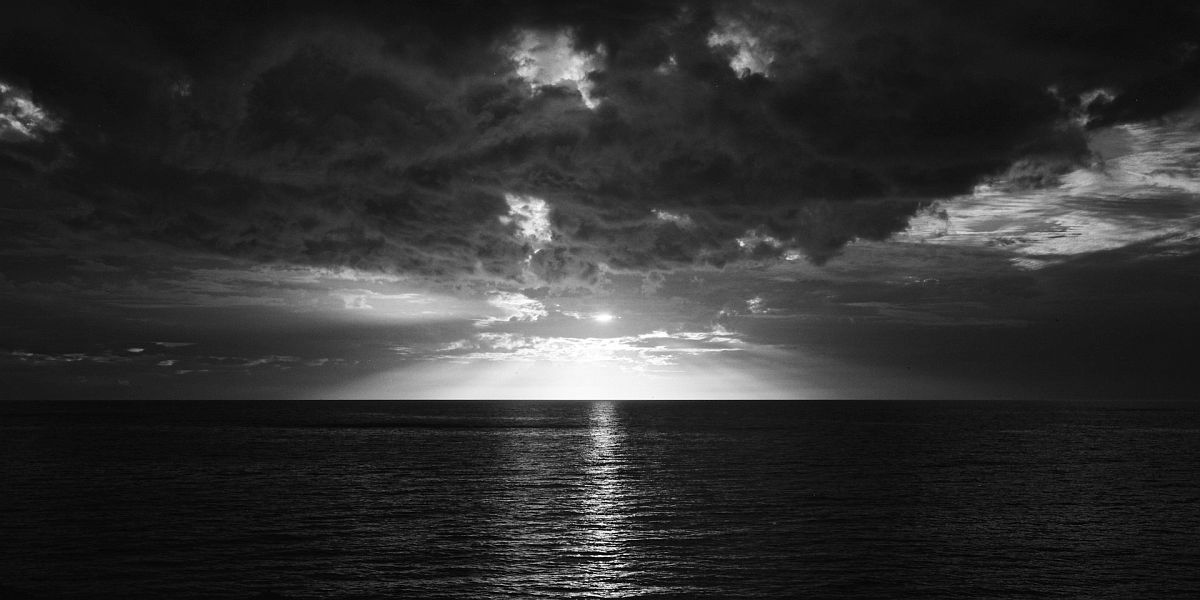
What I love about black and white film is that I’m not stuck with what’s in front of me. A red filter changes the whole mood of a sky. A long exposure turns rough water into something smooth and quiet. I get to decide what the scene feels like before I ever open the shutter. I personally view what I do as closer to painting than photography. Instead of paint, it’s photons of light hitting silver on film — but the creative process feels the same. Every frame is a choice I made in the field, and that’s what keeps me coming back.
– Why do you choose to work in black and white rather than in color?
Honestly? Freedom. With color you’re at the mercy of the conditions — you need the perfect sunset, the perfect fall leaves, the perfect golden hour. If the sky is gray, your image is gray. With black and white I can show up on the ugliest overcast Tuesday and walk away with something dramatic. A red filter turns that boring sky into something dark and moody. A long exposure turns a choppy river into glass. The weather doesn’t decide whether I got the shot — I do. That’s why I can go to Great Falls every single month for a year and come back with something different every time.
– Has your approach to black and white photography evolved over time? If so, how?
It’s been a steady climb in format. I started on 35mm because that’s what was accessible — a broken camera someone handed me. Once I saw what I could do, I moved to medium format for the resolution and the bigger negative. Then I walked into Clyde Butcher’s gallery and saw what a truly large negative could produce at gallery scale, and that was it. I moved to 4×5 large format so I could control every single aspect of the exposure — tilt, shift, individual sheet development — and choose the film format the scene calls for. Now that my darkroom is dedicated to prints 20×24 and above for gallery exhibitions, large format is the only thing that makes sense. Each step up wasn’t just about bigger — it was about more control, more intention, more of my hand in the
final image.
– How much preparation goes into creating a single photograph or a photographic series? Could you tell us something about your techniques and creative process?
For every week-long trip I take, I spend about 40 hours planning before I ever leave. I build out a trip app where I go location by location, find the exact latitude and longitude of where I want to stand using Google Street View, and pre-visualize the composition before I arrive. Then I plan the full route — drive times between stops, time of day for each location, optimizing the order so I’m not wasting daylight sitting in a car. Adams called it pre-visualization, seeing the final print in your mind before you open the shutter. I take that literally. By the time I show up at a location I already know the composition I want, roughly where the light should be, and which filters I’m stacking. That way my time on-site goes to the things that matter — fine-tuning the frame, doing the exposure math, and waiting for the right moment. And because I only schedule each area for one specific day or block, I have the flexibility to work around the weather — if conditions aren’t perfect at one location I can shake things up, rearrange the order, and chase better light somewhere else. That’s a fun challenge in itself. With large format film you might only get six or eight frames in a day, so every single one has to count.
– In a world dominated by digital color imagery, what role do you think black and white photography plays today?
Even with the film revival happening, black and white is still a minority within a minority. Plenty of people are picking up color film again, but very few are doing the full process — shooting, developing, scanning, and darkroom printing from end to end. The equipment is expensive, the chemistry is getting harder to find, and the knowledge is disappearing. I think it’s important that the format lives on, especially the printing side, because it’s where photography came from. There’s something worth preserving there. And personally, as an engineer who works in AI during the day, I love that this part of my life is completely separated from software, algorithms, and even electricity. It’s just light, chemistry, and my hands.
– What direction is your photography currently taking? What projects would you like to accomplish in the future?
Right now I’m working toward a full exhibition around the theme of water. Over the next few months I have trips planned to Colorado, Ireland, Scotland, Germany, and Iceland, and I’m shooting waterfalls, rivers, and coastlines at every stop. What interests me is how water looks and feels different in each of these places — a waterfall in Shenandoah doesn’t move the same way as one in the Scottish Highlands or on an Icelandic glacier. I’d like to explore how water is experienced across different landscapes and cultures, and maybe how it’s the one thing that connects all of them. The goal is a cohesive body of large format silver gelatin prints from this exploration.
Website: https://www.philmframe.com
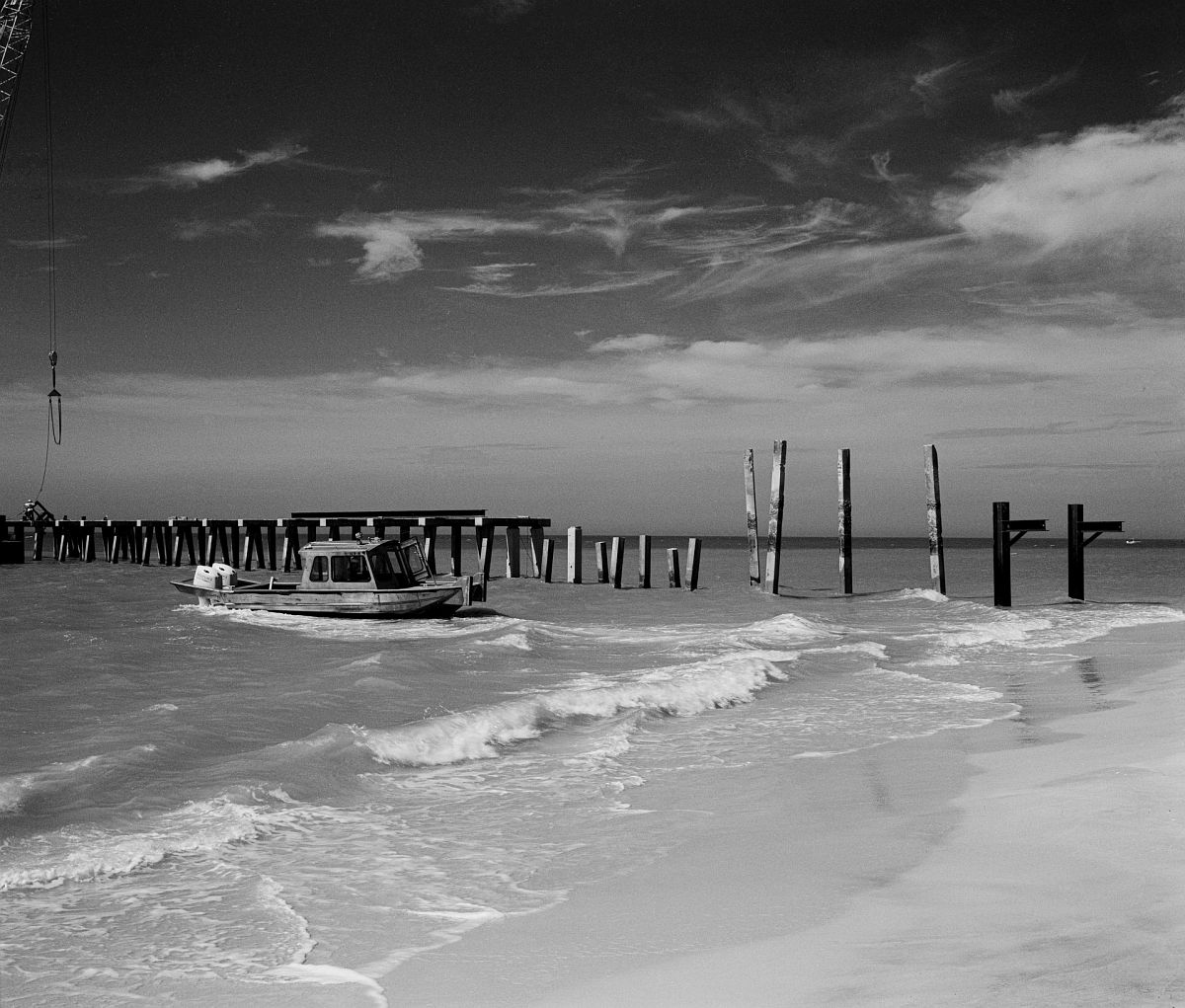
© Philip Shaheen
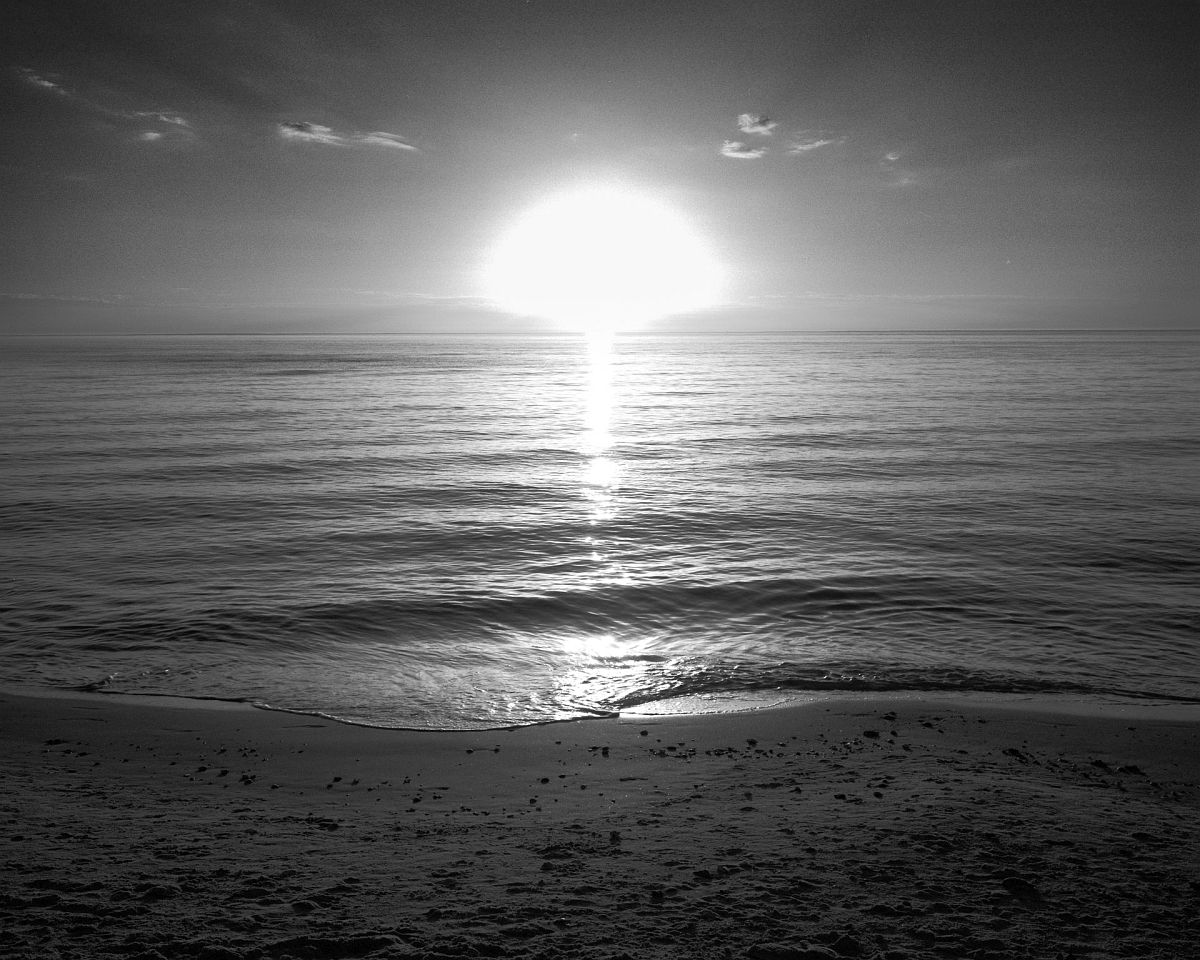
© Philip Shaheen
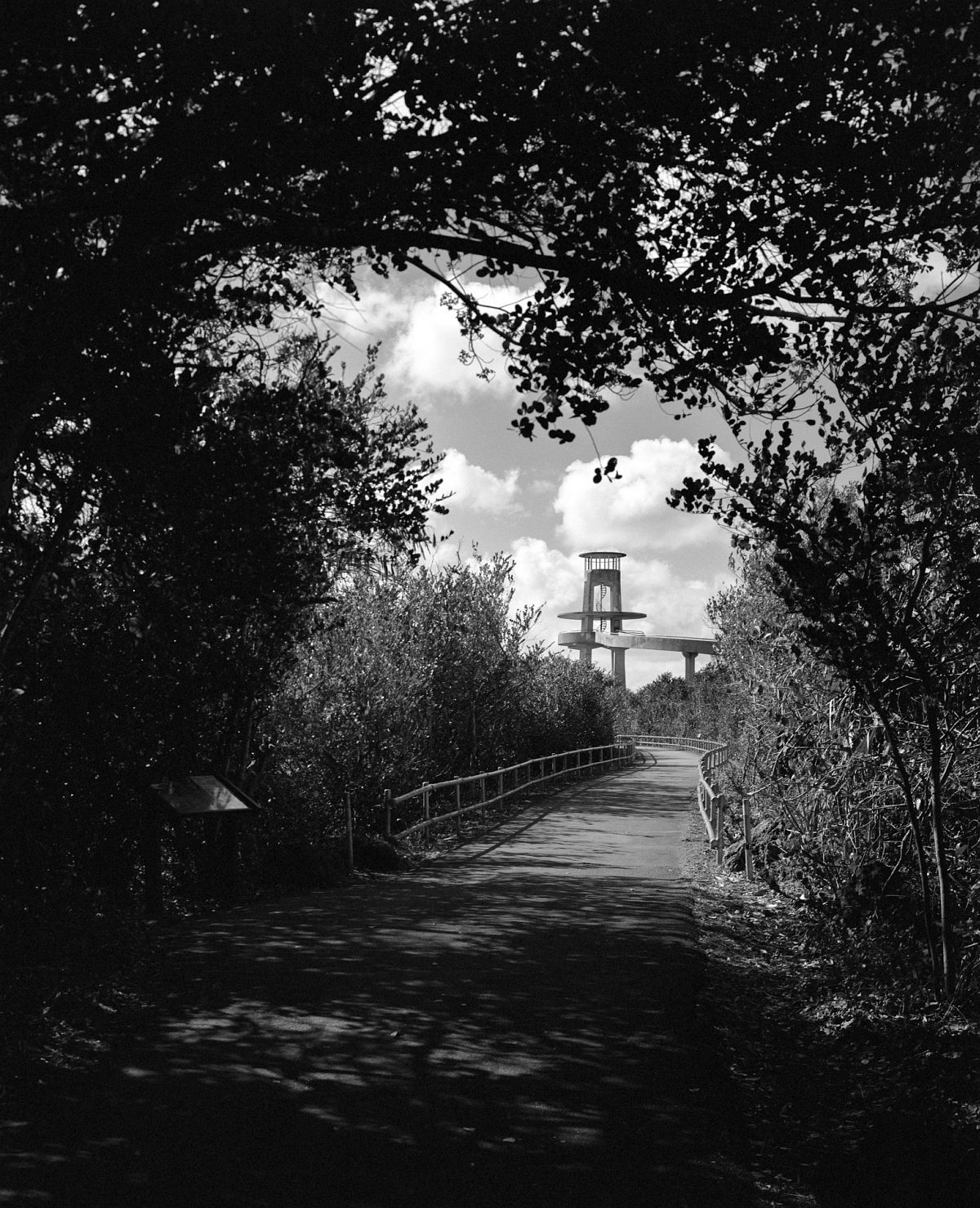
© Philip Shaheen
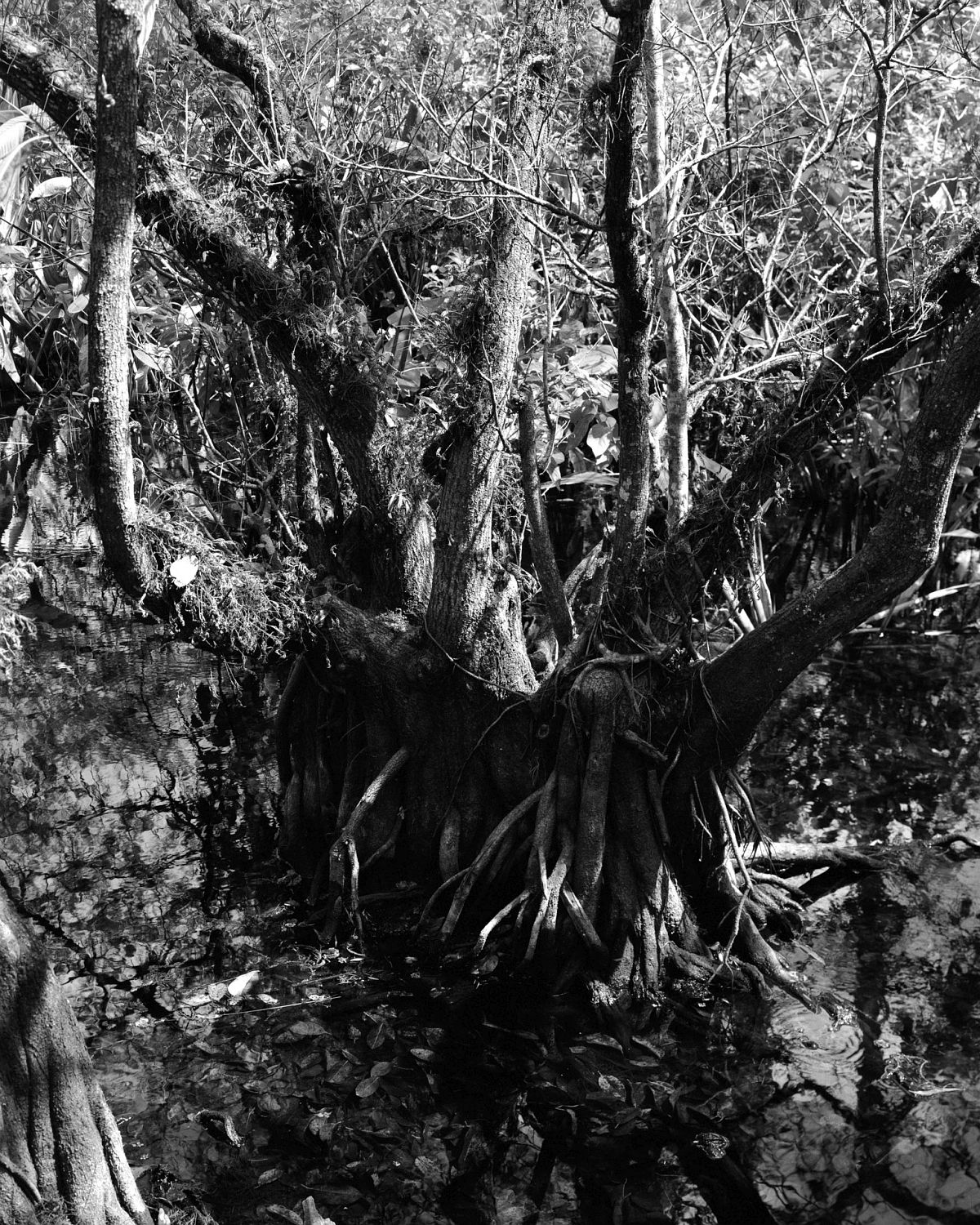
© Philip Shaheen
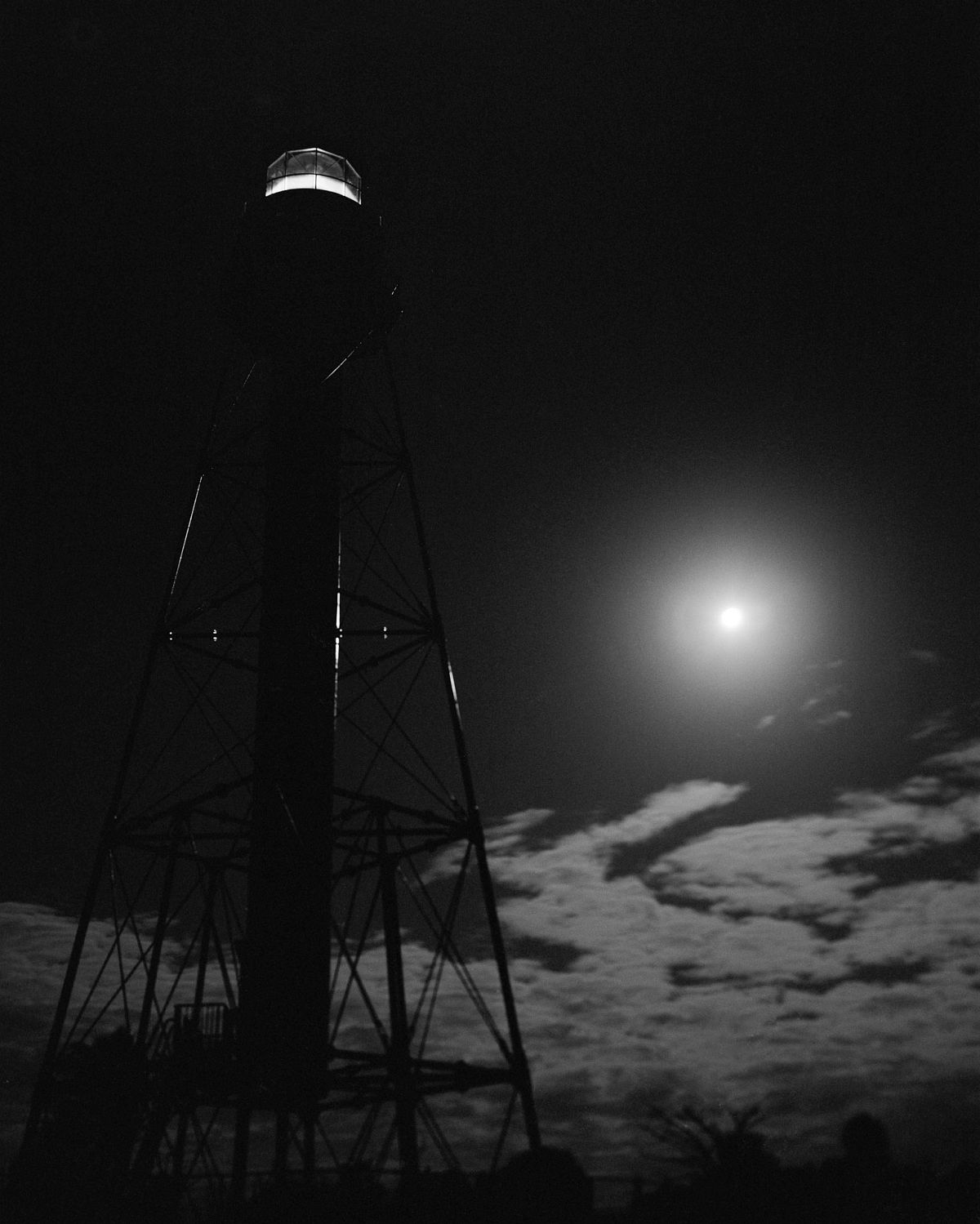
© Philip Shaheen
© Philip Shaheen
© Philip Shaheen
© Philip Shaheen
© Philip Shaheen
© Philip Shaheen
© Philip Shaheen
© Philip Shaheen
© Philip Shaheen
© Philip Shaheen
© Philip Shaheen
© Philip Shaheen
© Philip Shaheen